.2606050811229.jpg)
“It is just a few ants.” “We only saw one mouse.” “Those scratching sounds will probably stop on their own.” We hear some version of this every week from Boerne homeowners who are trying to talk themselves out of calling about a pest problem.
The trouble is, pests do not stay put. In our warm Texas Hill Country climate, a “small” issue can quietly multiply into dozens or hundreds of insects or rodents in a matter of weeks. By the time you see obvious signs, the real damage, both structural and financial, is already done.
At Covenant Pest Control, we have been protecting Boerne homes and businesses since 2013 as a family-owned, locally owned company. We have seen how quickly a minor concern turns into a major repair bill, especially here in Boerne, TX, where long warm seasons give pests extra time to spread. Understanding the real cost of ignoring a pest problem can help you decide when it is worth taking action.
Why Pest Problems Never Stay Small in the Texas Hill Country
Pest populations grow on a different timeline than most people imagine, especially in our climate. By the time you notice a few signs, you are usually seeing the tip of a much larger issue.
A single female mouse can produce her first litter within about three weeks of finding shelter in your home. Each litter can include half a dozen or more pups, and those offspring can begin reproducing within a few weeks themselves. Over the course of one Boerne season, one mouse can quietly turn into dozens living in your walls, attic, or crawl spaces.
Termites are even more deceptive. Subterranean termite colonies, which are active across Kendall County, feed from the inside out. Termite activity in Texas typically runs from February or March through fall, with heavy swarming in spring and again in early fall when warm weather and rain line up. That gives a subterranean termite colony months of steady feeding time each year. While you are waiting to “see if it gets worse,” they are silently expanding their mud tubes and hollowing out wood that still looks solid from the outside.
The landscape around Boerne adds another layer of risk. Our rocky Hill Country terrain, greenbelts, and proximity to areas like Cibolo Nature Center create perfect harborage for ants, mosquitoes, cockroaches, spiders, rodents, and scorpions. When conditions change, that outdoor pressure shifts. Construction vibration, drought, or heavy rains can push these pests from rocks, brush, and greenbelts toward the nearest available shelter: your home.
Once one type of pest finds a way in, others often follow. Rodents and scorpions use many of the same entry points: gaps under doors, damaged weatherstripping, and utility penetrations. Ants can pave the way for spiders that hunt them, creating a secondary infestation cycle. Ignoring “just a few” ants, scorpions, or rodent droppings can quietly open the door for multiple pest problems at once.
The Structural Damage That Builds While You Wait
The cost of ignoring a pest problem is not just the cost of treatment. It is the combination of treatment plus whatever those pests damage while they are left alone.
Subterranean termites cause some of the most expensive long-term damage we see. They move from the soil into your home through hidden mud tubes, often behind brick facades or inside wall cavities. Because they feed inside wood, beams, joists, and subfloors can be severely weakened while the surface paint or drywall still looks normal. By the time you see bubbling paint, sagging floors, or discarded wings, the infestation is often widespread. Structural damage repair costs can jump from patching a small area to reinforcing large sections of framing.
Rodents create a different kind of structural problem. To keep their constantly growing teeth in check, they chew. That chewing often targets electrical wiring, plastic plumbing lines, and HVAC ductwork. Rodent-chewed wiring is a documented fire hazard, increasing the risk of an electrical fire inside walls or the attic. They also burrow into insulation, destroying its effectiveness and contaminating it with droppings and urine. If an infestation runs long enough, entire sections of attic insulation may need to be removed and replaced.
These issues follow a predictable infestation escalation timeline. When caught early, treatments and minor repairs might cost hundreds of dollars. When ignored for months or seasons, the same pest problem can lead to thousands in combined treatment and repair costs, especially once you factor in electrical work, carpentry, or full attic remediation.
Health Risks That Grow With Every Week You Delay
While pests work on your home, they are also affecting the health of the people living in it. Those risks compound over time just like the structural damage does.
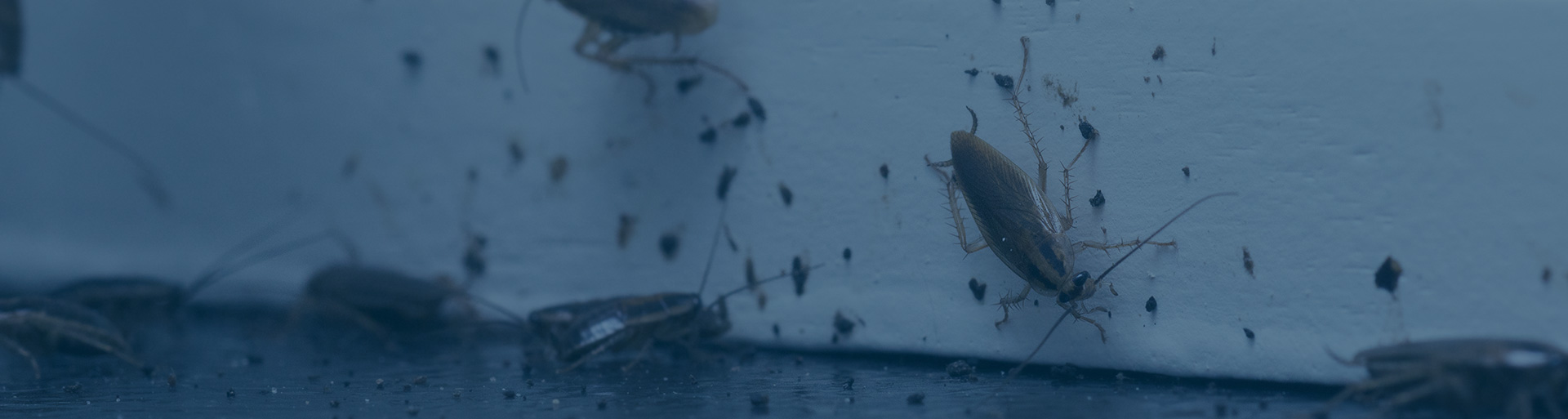
Cockroaches are a good example. They carry bacteria such as salmonella and E. coli on their bodies and legs, spreading them across countertops, dishes, and food storage areas as they move. Their droppings, shed skins, and body parts break down into fine particles that become airborne and settle in dust. For many people, especially children and anyone with asthma or allergies, roach allergens can trigger coughing, wheezing, and full asthma attacks. A small roach population may cause occasional symptoms; a large, long-standing infestation can make certain rooms almost unusable for sensitive family members.
Rodent infestations also carry health implications. Droppings and urine contaminate surfaces, food, and air quality. Cleaning up after rodents without proper precautions can stir up particles that are easy to inhale. The longer rodents occupy a home, the more widespread that contamination becomes, increasing the exposure window for everyone, particularly children who play on the floor and touch baseboards, vents, and stored items more often.
Outside, our long mosquito and tick season in the Hill Country stretches from spring through fall. Standing water, shaded yards, and tall grass provide perfect conditions for these pests to thrive. Mosquitoes and ticks can carry disease, so letting a growing population establish in your yard adds risk to every outdoor evening, cookout, or playtime. Over multiple seasons, what started as “a few bites” can become a persistent problem that keeps your family indoors.
The Insurance Gap Most Texas Homeowners Don’t Know About
Many people assume that if a pest problem ever gets bad enough, homeowners insurance will help cover repairs. In Texas, that is usually not how it works.
The Texas Department of Insurance is very clear that standard homeowners policies in Texas do not pay for termite damage, rodent damage, or most other pest-related losses. Insurers treat these problems as preventable maintenance issues, not sudden accidental events. In other words, if termites hollow out a support beam or rodents destroy wiring in your attic, your policy typically will not reimburse you for the repairs.
There is also a long-term financial impact when it comes time to sell. Texas real estate rules generally require sellers to disclose known pest damage and past infestations on the standard disclosure form. Home inspectors in Boerne routinely check for signs of termites, rodents, and other pests. If an inspector finds active pests, untreated damage, or evidence of a long-running infestation, that often must be noted. Buyers may ask for major price reductions, demand repairs before closing, or simply walk away.
Every month you wait turns a manageable issue into a purely out-of-pocket problem. Instead of paying for a targeted treatment and simple repairs, you may be facing extensive structural work, inspection delays, and reduced home value, all with no help from your insurance company.
Why Store-Bought Fixes Make the Problem Harder to Solve
We understand the temptation to try a quick spray, fogger, or bait from a local store before calling for help. Unfortunately, those do-it-yourself attempts often make infestations more complicated and more expensive to treat.
Most over-the-counter products are designed to kill the pests you see, not the pests you cannot see. They rarely reach nesting sites, breeding areas, or the heart of a colony hidden behind walls, under slabs, or deep in attic voids. You may see a short-term drop in activity in high-traffic areas, but the population continues to grow out of sight.
Used incorrectly, some products can actually spread the problem. Contact sprays that do not fully eliminate a population can cause pests like roaches to scatter and relocate deeper into the structure. Improperly placed baits can attract rodents to new areas of the home instead of reducing their numbers. This scattering expands the infestation footprint, which means more time and material are required when a professional team steps in later.
We often hear from Boerne homeowners who have already spent several hundred dollars on traps, foggers, and sprays before they call us. By then, the infestation has usually grown, and those earlier purchases have not reduced the root cause at all. When you factor in both the wasted product costs and the delay in getting effective treatment, the cost of ignoring a pest problem or trying to manage it with store products is often much higher than people expect.
What Early Action Actually Looks Like
Acting early does not have to mean committing to something you are not ready for. It simply means getting clear information and addressing the problem at the root before it grows.
When we respond to a new concern, we look beyond the pests you are seeing. Effective, long-term pest control uses principles similar to integrated pest management: addressing entry points, nesting sites, moisture sources, and food availability, and then applying targeted treatments where they will have the greatest impact. That is why professional intervention tends to deliver lasting results instead of short-term relief.
At Covenant Pest Control, we have been serving Boerne and the surrounding Texas Hill Country since 2013. Our licensed and insured team understands Boerne seasonal pest activity and the specific ways pests use our rock features, greenbelts, and building styles to get inside. We offer free estimates by phone or in person, so you can find out what you are dealing with and what it would cost to address it without any obligation or guesswork about price.
We also stand behind our work with a satisfaction guarantee, including free follow-up services if you discover pests between scheduled treatments. That means the decision to act early carries far less risk than the decision to wait and hope. Instead of wondering how much damage pests are doing behind the scenes, you can know that a plan is in place and that we will come back if the problem resurfaces.
The real cost of ignoring a pest problem is almost always higher than the cost of addressing it when you first notice something is off. If you have seen signs of pests in or around your Hill Country home and are not sure what to do next, we are here to walk you through your options. You can reach our team at Covenant Pest Control at (830) 320-4002 to ask questions or request a free estimate when you are ready.